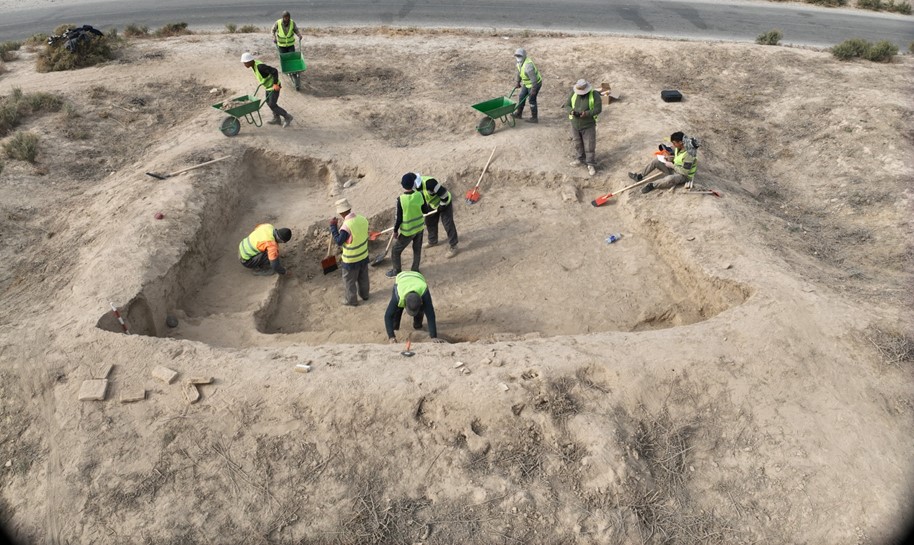
Within the framework of the program-targeted project BR28713129 “Study of the Penetration and Spread of Islam in Kazakhstan Based on Archaeological and Written Sources”, since October 17, 2025, project leader M. Kozha and team members Sh. Almazuly and U. Zhumabay have been conducting field archaeological research at medieval sites in South Kazakhstan.
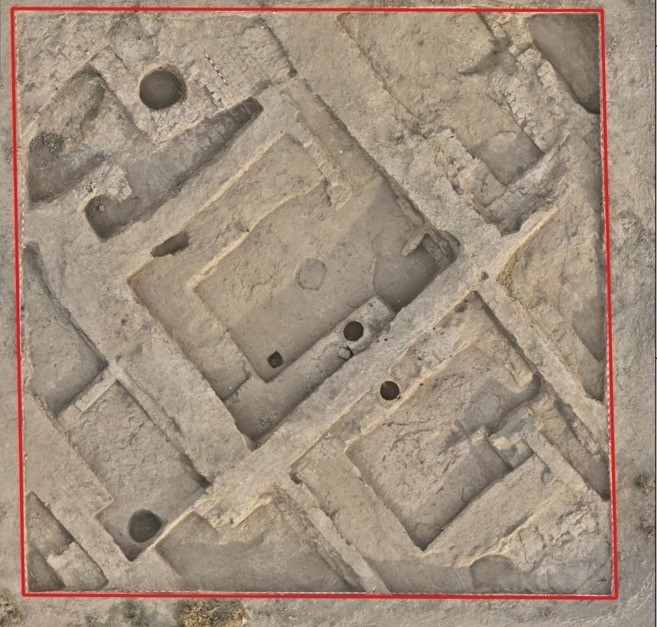
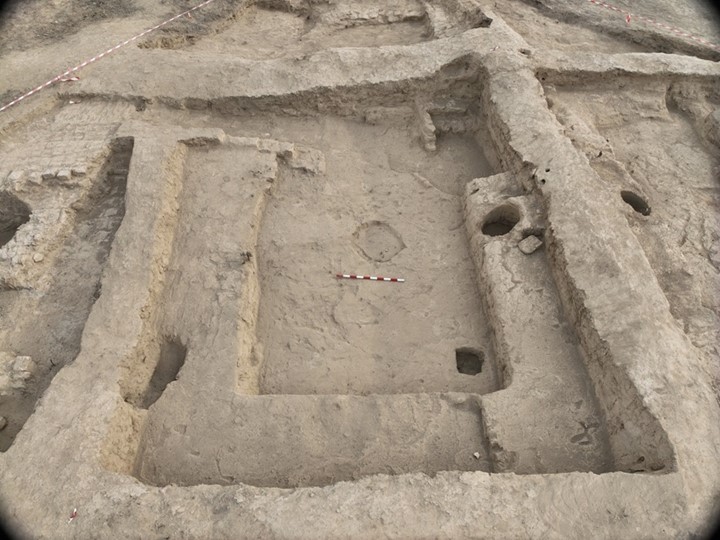
During the excavations in the rabad (suburban area) of the ancient city of Otyrar, several rooms were uncovered. In one of them, the remains of a mihrab were identified. The discovery of the mihrab indicates that the room served as a mosque or a designated prayer space. The mihrab, one of the key elements of Islamic architecture, shows the qibla direction (toward Mecca).
This finding demonstrates that Islam was deeply rooted in Otyrar not only at the official level but also in the everyday life of its inhabitants. The fact that the mihrab was discovered in the rabad rather than the city center suggests the wide spread of Islam and the active role of both clergy and believers in residential areas.
The mihrab found in Room No. 5 serves as concrete archaeological evidence of the establishment of Islam in Otyrar. It provides valuable insight into the religious life, spiritual culture, and influence of Islamic civilization in the region during the medieval period.



 English